
Petition To Host A Panel Discussion Between Dr. Phillip Ewell and Mr. Coleman Hughes
Diversity of Thought
All Americans are experiencing a period of racial reflection in this country. As a multi-ethnic nation, we have the unique responsibility to decide how we will instigate progress towards racial equality in our society. With this obligation in mind, many institutions of higher education are implementing race scholar Ibram X. Kendi’s interpretation of “anti-racism”.
The invitation of Dr. Phillip Ewell by the Conservatory of Music to speak at University of the Pacific - on the presence of white supremacy in music theory specifically and on racism and combating racist policies more generally - was important to start fostering dialogue on such a difficult topic.
In the spirit of pursuing a more holistic, well-rounded education, we believe it is also important to hear counter-arguments and alternative approaches to combating racism, both in music and in society, from other sources. Remaining open to listening to opposing views will allow students to make informed decisions and broaden their understanding on such a complex matter. After all, this is the core principle that defines a university as an institution dedicated to critical thinking and the pursuit of truth.
As such, we feel it would be beneficial for the student body to hear a panel discussion between Dr. Phillip Ewell and Mr. Coleman Hughes on the topic of racism in music and in society.
Mr. Hughes is a young African American jazz trombonist as well as a columnist whose work on race has been featured in The New York Times, The Wall Street Journal, and Quillette. He also hosts the podcast Conversations With Coleman, which emphasizes free speech, free thought, and honest conversations.
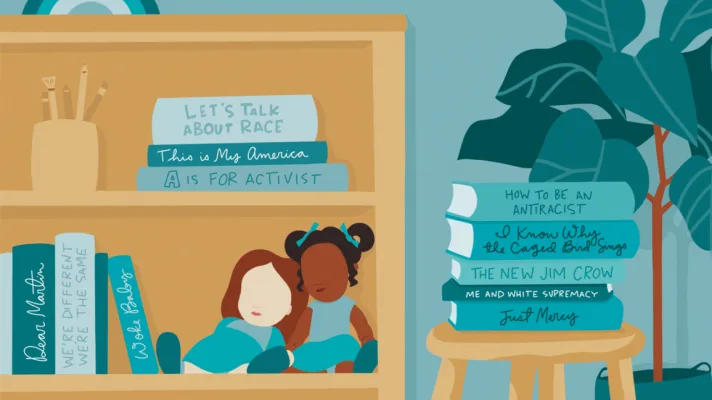
Dr. Ewell admirably challenges “Music Theory’s White Racial Frame” that encompasses Western music, especially in the academic world. He has made it clear that his arguments rest upon a philosophy of anti-racism spearheaded by Ibram X. Kendi. Ewell heavily utilizes four terms defined in Kendi’s book, How To Be An Anti Racist. These four terms are: racist idea, antiracist idea, racist policy, and antiracist policy. Mr. Hughes finds Ewell and Kendi’s application of these terms unusually expansive, and their analysis of racial disparities worryingly hasty.
Both schools of thought, Ewell/Kendi’s and Hughes’, bring forth important discussion points that are worth exploring. They also contrast in many important ways. For example, Kendi and Ewell’s philosophy supposes that every idea and every policy, is either racist or anti-racist. What they mean by this is that policies that produce racial inequity are racist, and policies that produce equity are anti-racist. Hughes takes a different approach then Kendi and Ewell when it comes to analyzing racial disparities, in that he is less quick to ascribe racial disparities entirely to racist policies. Moreover, he subscribes to an individualistic, rather than overtly race-conscious, vision of antiracism.
It should be regarded as self-evident that we must fight racism in all of its forms. This is not the question at hand. What we as a nation, University, and Conservatory, must decide upon is how we will combat it. In light of this, we believe that a panel discussion between Dr. Phillip Ewell and Mr. Coleman Hughes would be a meaningful step towards racial equality.
"The function of education is to teach one to think intensively and to think critically. Intelligence plus character-that is the true goal of education." - Martin Luther King Jr.
Important Links - Mr. Hughes' Work
Response to Ibram X. Kendi's "How To Be An Anti-Racist"
"What would a Color Blind World look like?" - Podcast Snippet
"The Case for Colorblindness" - Full Podcast
"Martin Luther King, Colorblind Radical" - Essay
"Stories And Data: Reflections On Race, Riots, and Police" - Essay
By: Austin Kim (UOP Class of 2021) and Hector Alejandres (UOP Class of 2020)
Updates
December 1, 2020
The focus on diversity of thought remains the primary motivation for this initiative. I have been in conversation with various faculty members to determine how we might facilitate a formal exchange of ideas regarding these differing academic perspectives. Your ongoing interest confirms the value of fostering a robust public debate.
8 Comments
Universities should be about debates and hearing different sides not just one narrative. Make it happen.
This would be a great way to actually get students thinking for themselves instead of just being told what to think.
YES PLEASE. We need to hear coleman hughes speak here.
It is about time we had a real conversation on this topic instead of just one sided lectures.
Finally some balance on this campus. Would love to see this happen.
This would be a wonderful opportunity to discuss a very important topic
Yes
Sign Petition
We never post to your account. Social sign-in is used only to verify your signature.
Add a comment?
Your signature will be added via . Tell others why you're signing — it's optional.
By signing, you accept our Terms and Privacy Policy and agree to occasional emails about petitions. Unsubscribe anytime.
Share this petition
Share this petition to help it reach more people.
Your share link
Petition To Host A Panel Discussion Between Dr. Phillip Ewell and Mr. Coleman Hughes
Diversity of Thought
All Americans are experiencing a period of racial reflection in this country. As a multi-ethnic nation, we have the unique responsibility to decide how we will instigate progress towards racial equality in our society. With this obligation in mind, many institutions of higher education are implementing race scholar Ibram X. Kendi’s interpretation of “anti-racism”.
The invitation of Dr. Phillip Ewell by the Conservatory of Music to speak at University of the Pacific - on the presence of white supremacy in music theory specifically and on racism and combating racist policies more generally - was important to start fostering dialogue on such a difficult topic.
In the spirit of pursuing a more holistic, well-rounded education, we believe it is also important to hear counter-arguments and alternative approaches to combating racism, both in music and in society, from other sources. Remaining open to listening to opposing views will allow students to make informed decisions and broaden their understanding on such a complex matter. After all, this is the core principle that defines a university as an institution dedicated to critical thinking and the pursuit of truth.
As such, we feel it would be beneficial for the student body to hear a panel discussion between Dr. Phillip Ewell and Mr. Coleman Hughes on the topic of racism in music and in society.
Mr. Hughes is a young African American jazz trombonist as well as a columnist whose work on race has been featured in The New York Times, The Wall Street Journal, and Quillette. He also hosts the podcast Conversations With Coleman, which emphasizes free speech, free thought, and honest conversations.
Dr. Ewell admirably challenges “Music Theory’s White Racial Frame” that encompasses Western music, especially in the academic world. He has made it clear that his arguments rest upon a philosophy of anti-racism spearheaded by Ibram X. Kendi. Ewell heavily utilizes four terms defined in Kendi’s book, How To Be An Anti Racist. These four terms are: racist idea, antiracist idea, racist policy, and antiracist policy. Mr. Hughes finds Ewell and Kendi’s application of these terms unusually expansive, and their analysis of racial disparities worryingly hasty.
Both schools of thought, Ewell/Kendi’s and Hughes’, bring forth important discussion points that are worth exploring. They also contrast in many important ways. For example, Kendi and Ewell’s philosophy supposes that every idea and every policy, is either racist or anti-racist. What they mean by this is that policies that produce racial inequity are racist, and policies that produce equity are anti-racist. Hughes takes a different approach then Kendi and Ewell when it comes to analyzing racial disparities, in that he is less quick to ascribe racial disparities entirely to racist policies. Moreover, he subscribes to an individualistic, rather than overtly race-conscious, vision of antiracism.
It should be regarded as self-evident that we must fight racism in all of its forms. This is not the question at hand. What we as a nation, University, and Conservatory, must decide upon is how we will combat it. In light of this, we believe that a panel discussion between Dr. Phillip Ewell and Mr. Coleman Hughes would be a meaningful step towards racial equality.
"The function of education is to teach one to think intensively and to think critically. Intelligence plus character-that is the true goal of education." - Martin Luther King Jr.
Important Links - Mr. Hughes' Work
Response to Ibram X. Kendi's "How To Be An Anti-Racist"
"What would a Color Blind World look like?" - Podcast Snippet
"The Case for Colorblindness" - Full Podcast
"Martin Luther King, Colorblind Radical" - Essay
"Stories And Data: Reflections On Race, Riots, and Police" - Essay
By: Austin Kim (UOP Class of 2021) and Hector Alejandres (UOP Class of 2020)
Updates
December 1, 2020
The focus on diversity of thought remains the primary motivation for this initiative. I have been in conversation with various faculty members to determine how we might facilitate a formal exchange of ideas regarding these differing academic perspectives. Your ongoing interest confirms the value of fostering a robust public debate.
8 Comments
Real education requires listening to people we dont always agree with. Totally down for this panel.
Universities should be about debates and hearing different sides not just one narrative. Make it happen.
This would be a great way to actually get students thinking for themselves instead of just being told what to think.
YES PLEASE. We need to hear coleman hughes speak here.
It is about time we had a real conversation on this topic instead of just one sided lectures.
Finally some balance on this campus. Would love to see this happen.
This would be a wonderful opportunity to discuss a very important topic
Yes
Help this petition grow
Share it with friends to help reach 100 signatures.
Sign Petition
We never post to your account. Social sign-in is used only to verify your signature.
Add a comment?
Your signature will be added via .
Tell others why you're signing — it's optional.
Signing with Google or Facebook verifies your signature instantly — no email needed.
By signing, you accept our Terms and Privacy Policy and agree to occasional emails about petitions. Unsubscribe anytime.
Share this petition
Share this petition to help it reach more people.
Your share link
Petitions like this
Other petitions you might want to support



Scan to share
Anyone who scans this can sign the petition.
Real education requires listening to people we dont always agree with. Totally down for this panel.