
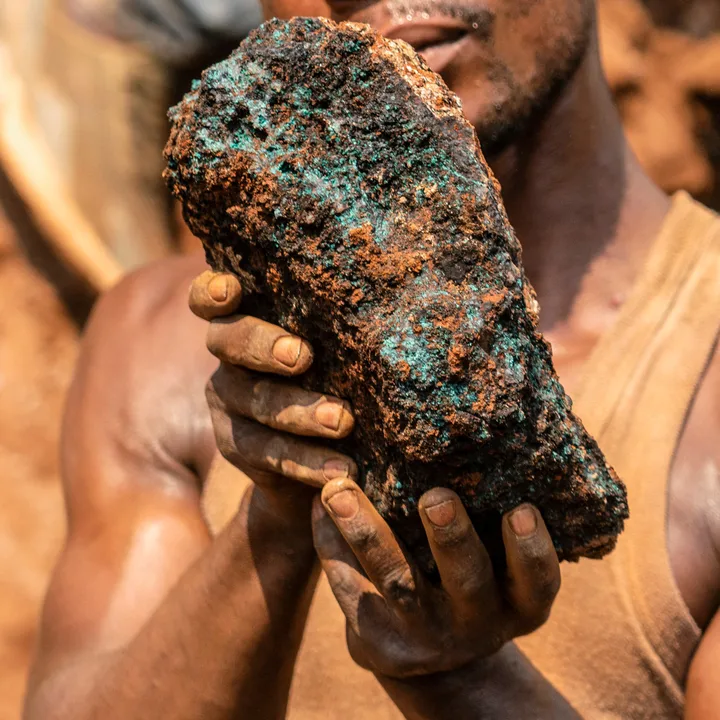
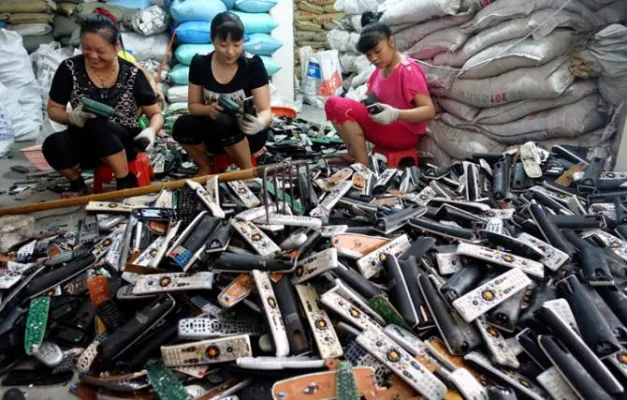
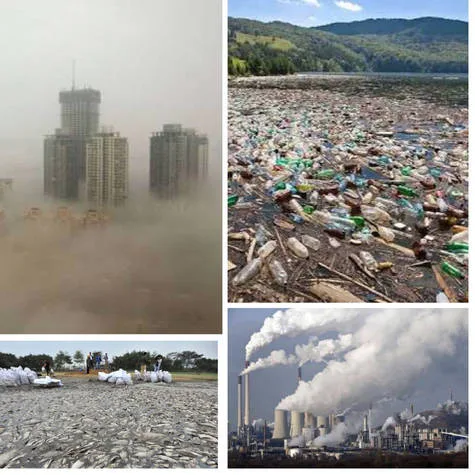
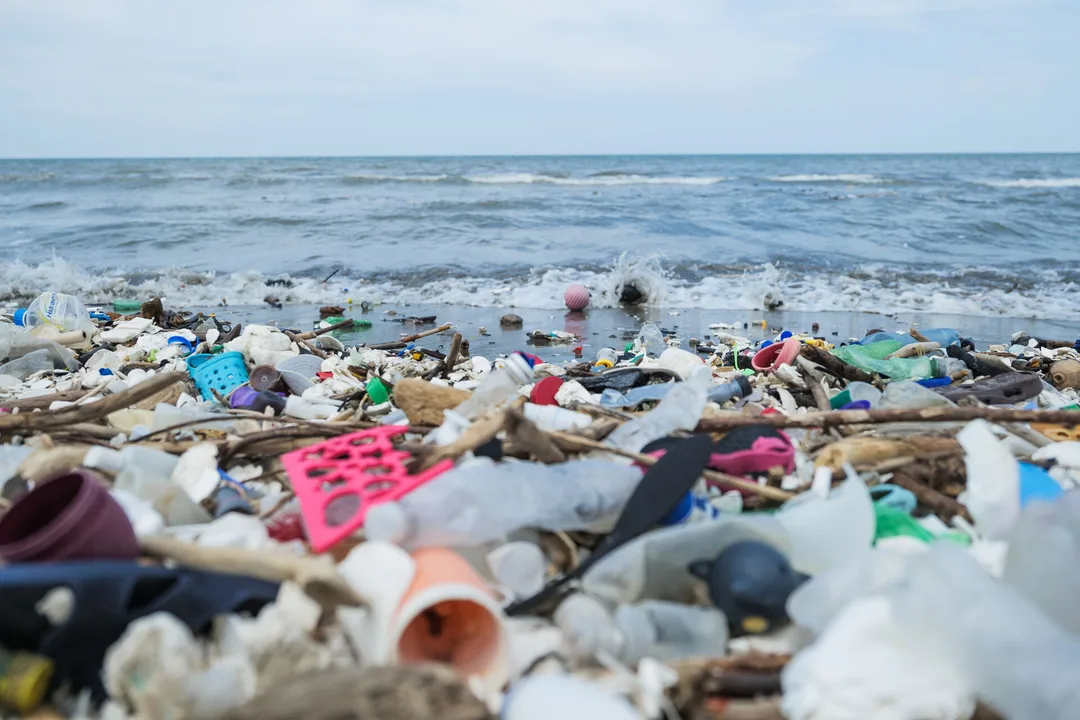
he United States in 2012 produced 9,965.66 kilotons (or 31.71 kilograms per person) of new electronic products, including computers, TVs, and cell phones. In addition to manufacturing these new products, the US discarded 9359.78 kilotons (29.78 kilograms per person)[1] all of which is recycled, incinerated, or thrown into a landfill. Of all this electronic waste, called e-waste, only 12.5% is recycled while 80-85% is tossed into landfills, where the water supply is polluted, or incinerated, in which case toxic chemicals are released into the air. Even when recycled, e-waste still poses a problem: it is exported to nations such as Ghana, India, China, Pakistan, and Nigeria where the people of these countries strip the e-waste of all of its precious metals, which exposes them to many harmful toxins in the process.
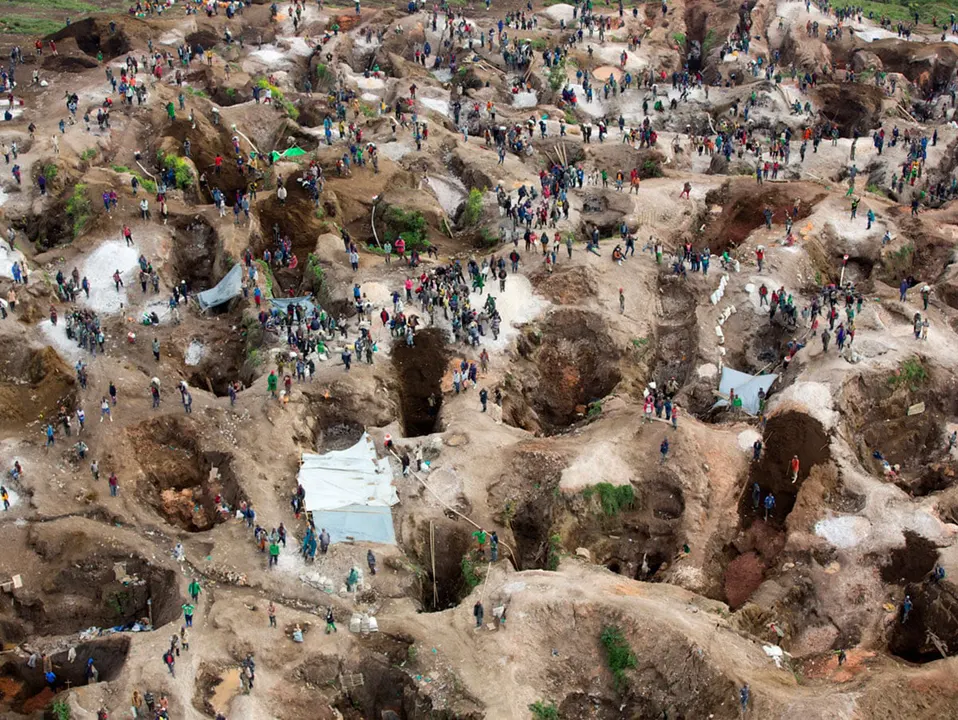
The export of e-waste has been curbed in many countries across the world by the UN’s Basel Convention, so the clear answer to the problem in the United States is to ratify the convention. At its inception and signing, the United States signed but did not ratify the convention because of how much US companies rely on the export of wastes defined as “hazardous” by the convention, such as iron scrap. Many US companies rely on the export of their waste products to countries that are less picky about the chemicals that they import, and therefore it is relevant to the US economy that these wastes are exported. But although the export is important to US companies, it is detrimental to the countries that import the waste products and needs to be stopped. The Basel Convention must be ratified for the sake of the third world. The lives and well-being at stake make it an issue of human ethics more than economics. Even so, at home we could see economic benefits in the long run, as the removal of an easy option for disposal would force companies to consider less destructive ways of recycling and reusing e-waste. Despite initial costs, improved recycling would return valuable materials to the electronics industry without our needing to mine them, ultimately saving money as well as the environment. So again, the issue of whether or not the United States ratifies the Basel convention is not a question of economics, it's a question of human ethics. Our goal with this petition is to bring it to the attention of the US Government that the people of this country demand a change in the way that we export e-waste that works towards the ethical treatment of people in other countries, and ultimately, the ethical treatment of the planet Earth.
4 Comments
As one of the participants in writing this petition, I can attest that this wasteful dynamic needs to change. Recycling electronic materials would keep the "precious" in "precious metals," instead of making them toxic. Let's save materials, money, and world health.
Stop exporting e-waste now.
Stop exporting e-waste now.
Sign Petition
We never post to your account. Social sign-in is used only to verify your signature.
Add a comment?
Your signature will be added via . Tell others why you're signing — it's optional.
By signing, you accept our Terms and Privacy Policy and agree to occasional emails about petitions. Unsubscribe anytime.
Share this petition
Share this petition to help it reach more people.
Your share link
he United States in 2012 produced 9,965.66 kilotons (or 31.71 kilograms per person) of new electronic products, including computers, TVs, and cell phones. In addition to manufacturing these new products, the US discarded 9359.78 kilotons (29.78 kilograms per person)[1] all of which is recycled, incinerated, or thrown into a landfill. Of all this electronic waste, called e-waste, only 12.5% is recycled while 80-85% is tossed into landfills, where the water supply is polluted, or incinerated, in which case toxic chemicals are released into the air. Even when recycled, e-waste still poses a problem: it is exported to nations such as Ghana, India, China, Pakistan, and Nigeria where the people of these countries strip the e-waste of all of its precious metals, which exposes them to many harmful toxins in the process.
The export of e-waste has been curbed in many countries across the world by the UN’s Basel Convention, so the clear answer to the problem in the United States is to ratify the convention. At its inception and signing, the United States signed but did not ratify the convention because of how much US companies rely on the export of wastes defined as “hazardous” by the convention, such as iron scrap. Many US companies rely on the export of their waste products to countries that are less picky about the chemicals that they import, and therefore it is relevant to the US economy that these wastes are exported. But although the export is important to US companies, it is detrimental to the countries that import the waste products and needs to be stopped. The Basel Convention must be ratified for the sake of the third world. The lives and well-being at stake make it an issue of human ethics more than economics. Even so, at home we could see economic benefits in the long run, as the removal of an easy option for disposal would force companies to consider less destructive ways of recycling and reusing e-waste. Despite initial costs, improved recycling would return valuable materials to the electronics industry without our needing to mine them, ultimately saving money as well as the environment. So again, the issue of whether or not the United States ratifies the Basel convention is not a question of economics, it's a question of human ethics. Our goal with this petition is to bring it to the attention of the US Government that the people of this country demand a change in the way that we export e-waste that works towards the ethical treatment of people in other countries, and ultimately, the ethical treatment of the planet Earth.
4 Comments
its insane that we just ship our trash to other countries and act like its not our problem anymore. keep it here and deal with it properly.
As one of the participants in writing this petition, I can attest that this wasteful dynamic needs to change. Recycling electronic materials would keep the "precious" in "precious metals," instead of making them toxic. Let's save materials, money, and world health.
Stop exporting e-waste now.
Stop exporting e-waste now.
Help this petition grow
Share it with friends to help reach 50 signatures.
Sign Petition
We never post to your account. Social sign-in is used only to verify your signature.
Add a comment?
Your signature will be added via .
Tell others why you're signing — it's optional.
Signing with Google or Facebook verifies your signature instantly — no email needed.
By signing, you accept our Terms and Privacy Policy and agree to occasional emails about petitions. Unsubscribe anytime.
Share this petition
Share this petition to help it reach more people.
Your share link
Petitions like this
Other petitions you might want to support


Scan to share
Anyone who scans this can sign the petition.
its insane that we just ship our trash to other countries and act like its not our problem anymore. keep it here and deal with it properly.